How to build a two-sided marketplace app for services and bookings
Build a two-sided marketplace app: supply and demand onboarding, trust, booking, payments and commissions. What to launch first and what to defer.
THE SHORT ANSWER
A marketplace is two products sharing one transaction. Launch the smallest version where providers can list, customers can book and money moves safely — then grow supply in one niche before expanding.
A marketplace is two products, not one
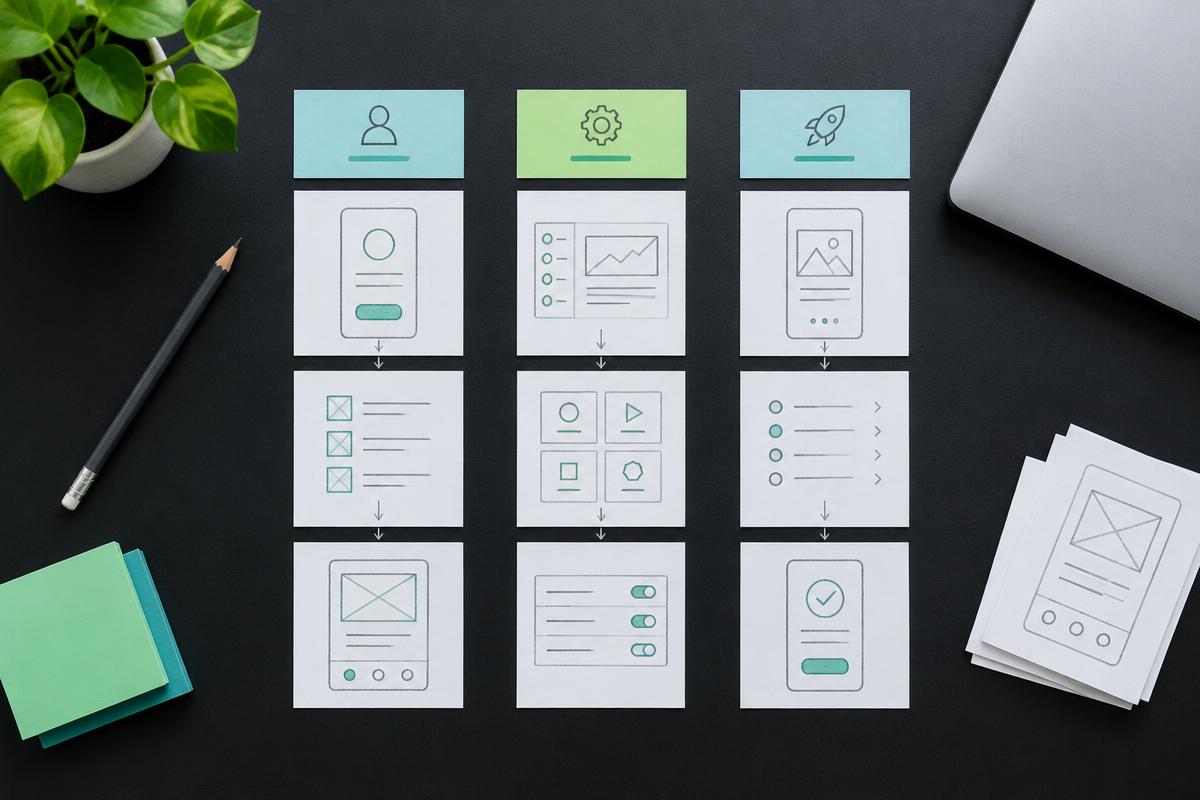
A two-sided marketplace app serves customers who want a service and providers who deliver it. Each side has different screens, motivations and support needs. Customers want to find, compare and book quickly. Providers want predictable bookings, fair fees and simple schedule management. If either side has a poor experience, the marketplace stalls.
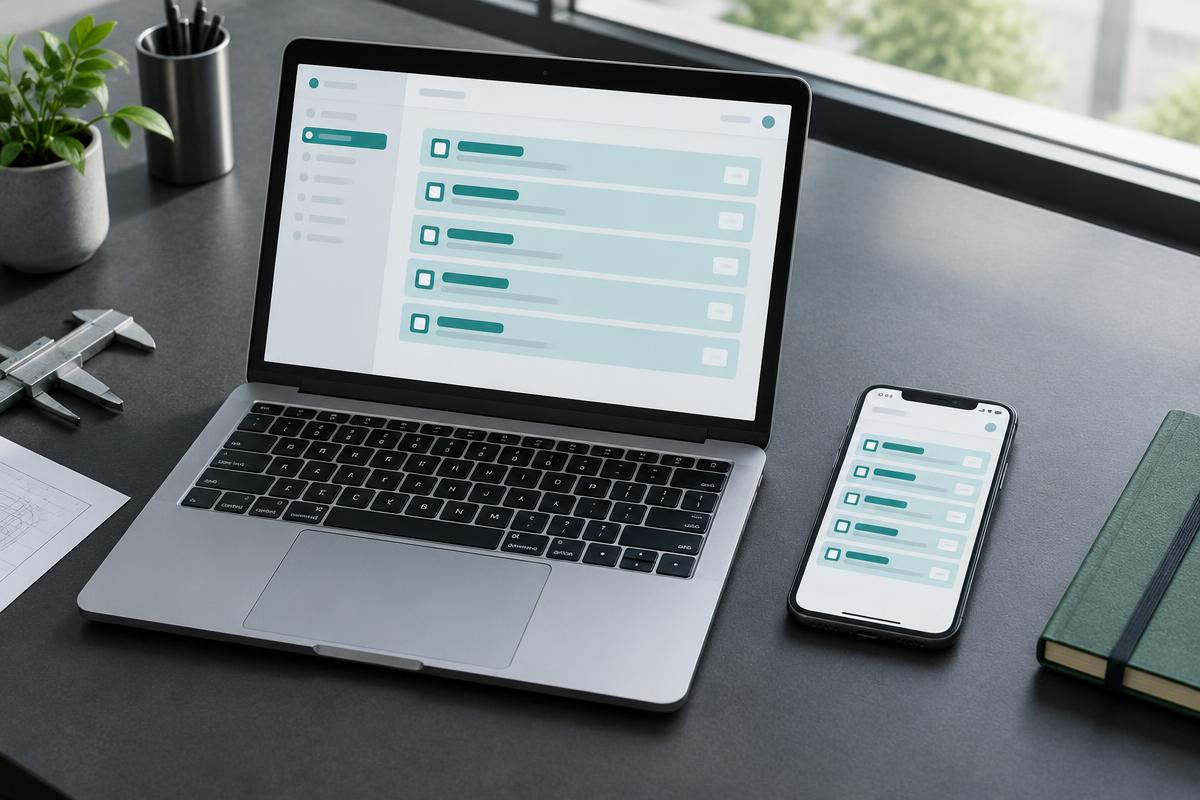
Most service marketplaces — clinics, therapists, tutors, cleaners, beauty professionals — need the same core: a customer app, a provider dashboard and an admin panel for your operations team.
Solve supply first, in one niche and one city
The cold-start problem is real: customers will not come without providers, and providers will not stay without customers. Many successful marketplaces start narrow — one specialty in one city — and onboard early providers by hand. Your first version can include manual steps for your team, as long as the customer experience feels complete.
- Provider onboarding with profile, services, pricing and availability.
- Verification of licences, identity or qualifications where trust matters.
- Customer search, provider profiles and real-time booking.
- Ratings and reviews once enough transactions exist.
- Admin tools to approve providers, handle refunds and resolve disputes.
Payments, commission and payouts
Marketplace payments differ from a normal online shop: you collect from customers, keep a commission and pay providers. Use a payment platform built for marketplaces, such as Stripe Connect, to handle provider onboarding, identity checks and payouts. Decide early when the platform takes its fee and how refunds affect provider earnings.
Trust and safety are product features
Customers book strangers through your app, so trust signals matter: verified badges, transparent pricing, clear cancellation policies and responsive support. In healthcare, provider credentials and careful handling of patient data are essential from launch.
What to defer until after launch
Advanced recommendations, subscriptions, loyalty programmes and multi-city expansion can usually wait. Measure booking completion, repeat bookings and provider retention first. SeedGeorgia builds marketplace products end to end — customer app, provider dashboard, scheduling and payments — at a fixed price agreed after a two-week discovery.
Common questions
How long does it take to build a marketplace app?
A focused first version with a customer app, provider dashboard, booking and payments typically takes 6–12 weeks after discovery at SeedGeorgia. Integrations and verification requirements can change that range.
Should I use a marketplace template or custom development?
Templates can test demand cheaply. Custom development makes sense when booking rules, payments or compliance are specific to your niche and a template would limit how the product works.
How do marketplaces make money?
Common models are a commission per booking, provider subscriptions, customer booking fees or a mix. Choose a model your providers understand and that your payment setup supports.